
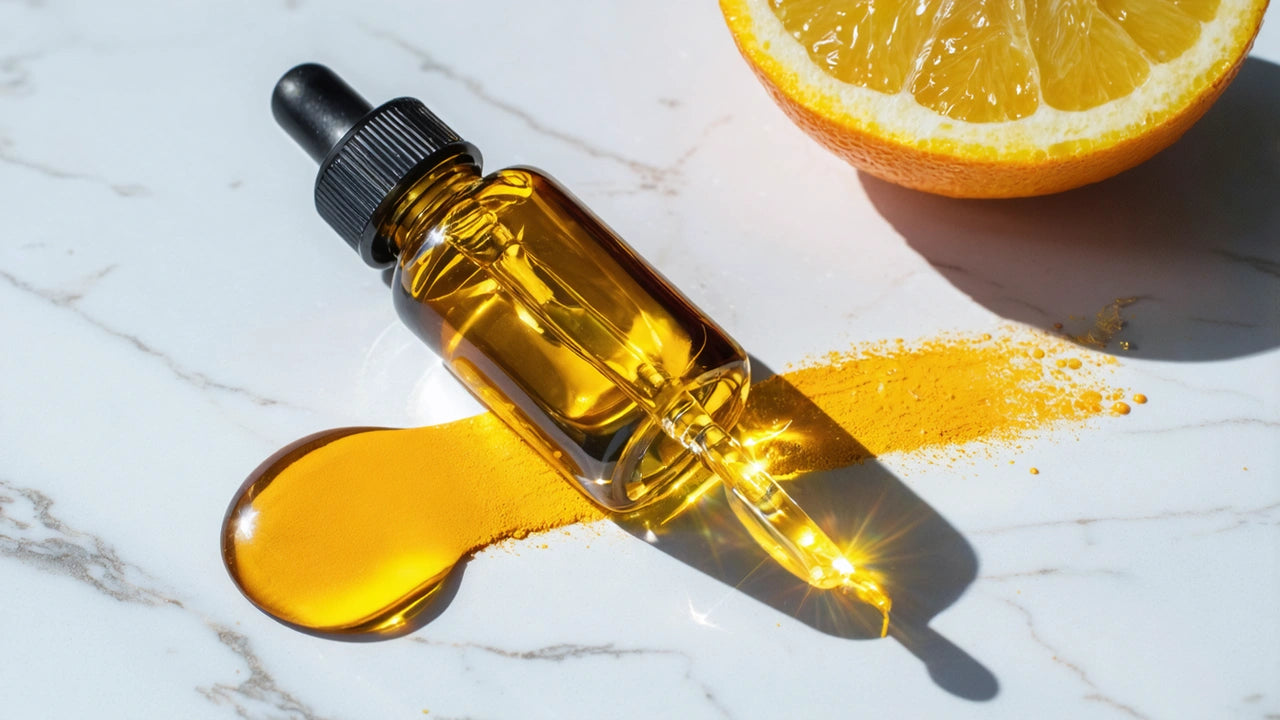

Let's cut to the glow: a vitamin C serum for pigmentation in India works because it's an antioxidant that supports a brighter, more even-looking tone over time — not overnight, and definitely not by "lightening" your skin. A vitamin C serum is a topical formula built around L-ascorbic acid or a stable derivative that neutralises free radicals, helps interrupt excess melanin build-up, and boosts collagen so post-acne marks and stubborn tan lines fade more gracefully. If you've been staring at those patches after a Goa trip or a bout of monsoon breakouts, this is your radiance roadmap. And yes — we're keeping it 100% even-tone, zero fairness talk, because your skin was never a "before" that needed fixing.
What Does Vitamin C Actually Do for Pigmentation?
Pigmentation happens when melanocytes — the cells that give your skin its gorgeous depth — overproduce melanin in certain spots, usually triggered by sun, inflammation, or hormones. Vitamin C steps in as a multitasker. It scavenges the free radicals generated by UV and pollution before they can spark more melanin, and it gently down-regulates tyrosinase, the enzyme that kicks melanin production into overdrive. The result over weeks is marks that look faded and a tone that reads more uniform.
Vitamin C serum helps fade pigmentation on Indian skin by acting as an antioxidant that supports a brighter, more even-looking tone over time when paired with daily SPF. It neutralises UV-triggered free radicals, calms excess melanin activity, and boosts collagen, so post-acne marks and tan lines gradually appear softer and more even across the complexion.
Post-Acne Marks and Tan Lines, Explained
Two of the most common concerns we hear about are those dark spots left behind after a pimple heals (post-inflammatory hyperpigmentation) and the uneven tan that shows up on your face, neck, and arms after sun exposure. Both are melanin doing overtime. Vitamin C won't "erase" them like a magic rubber, but consistent use helps your skin's natural turnover reveal fresher, more even layers while limiting new spots from forming. If you're already rebuilding after a rough season, a post-monsoon skin repair routine is a smart place to prep before you layer on actives.
Why 'Even Tone', Not 'Fairness'
Here's the non-negotiable bit: the goal is evenness and radiance, never a change in your natural skin colour. Deep, warm, dusky, wheatish — every undertone glows when it's healthy and even. Vitamin C helps marks blend into your natural tone so your face looks lit-from-within, not "lighter." Cosmetic scientists note that antioxidants like ascorbic acid are best thought of as protective and brightening — supporting the skin you have, not replacing it.
What Should You Expect From Vitamin C on Indian Skin?
Real talk, because a clued-in best friend doesn't oversell. Indian skin — largely Fitzpatrick III to V, with warm and deep undertones — is naturally rich in melanin, which means it's beautifully resilient but also more prone to post-inflammatory marks and stubborn tanning in our tropical, humid, high-UV climate. Vitamin C is one of the most researched actives for exactly this. Research published in the Indian Dermatology Online Journal has highlighted topical vitamin C as a well-tolerated antioxidant that supports a more even complexion when used consistently and paired with photoprotection.

Realistic Timelines
Set your expectations to "slow glow," not "instant filter." Most people notice a fresher, more radiant look within 2–4 weeks, while visible fading of marks typically takes 8–12 weeks of daily use. Pigmentation is layered deep, so patience and consistency are your real active ingredients. Snap a no-filter selfie today and compare monthly — progress is easier to see when you're not staring in the mirror every single morning.
Sensitivity and Strengths
If you're new to actives, start with a lower concentration and use it every other morning before going daily. A little tingle can be normal; stinging, persistent redness, or itching is your cue to slow down. Sensitive or reactive skin does well with buffered or derivative-based vitamin C. And if your barrier feels compromised, sort that first — actives land better on skin that isn't already stressed.
How Do You Layer Vitamin C Serum Under Makeup?
This is where SUGAR lives — that beautiful bridge between skincare and makeup. Layered right, vitamin C becomes the invisible hero under your base, giving you a smoother canvas and that healthy, awake finish that no highlighter can fake. We call it The SUGAR Cosmetics Method: treat first, protect always, then perfect. Get the order wrong and you'll get pilling, patchiness, and a base that slides off by lunch. Get it right and your makeup sits like a dream.
Morning Routine Order
Layering is all about thinnest-to-thickest so each step absorbs properly. Here's the sequence that keeps your glow boosting vitamin c serum working and your makeup gripping:
- Cleanse — Start on a fresh, pollution-free canvas so your serum isn't fighting through grime and sweat.
- Vitamin C serum — Two or three drops, pressed gently across the face and neck, then given a minute to sink in.
- Moisturiser — Lock in hydration and buffer the active. Aquaholic Hyaluronic Serum layers beautifully after vitamin C for a plump, smooth base.
- SPF — The step nobody's allowed to skip (more on that below).
- Base — Foundation, concealer, and powder go on last, gliding over prepped, protected skin.
Pairing With SPF
Say it with us: vitamin C without sunscreen is like a lehenga with no dupatta — incomplete and a little pointless. UV exposure is the number one trigger for the pigmentation you're trying to fade, so daily SPF isn't optional. Citrus Got Real SPF30 Sunscreen locks in your results, because vitamin C without sun protection is genuinely wasted effort. Dermatologists recommend broad-spectrum SPF every single day — cloudy monsoon mornings and screen-lit indoor days included, since UVA sneaks through windows.
Coffee Culture for Dullness
When tiredness reads all over your face, a caffeine-forward brightening step wakes things up. Our coffee culture brightening serum logic is simple: caffeine helps de-puff and energise, layering neatly with vitamin C for a fresher, more awake finish. If your face looks flat and grey after late nights or long commutes, this is your morning espresso for skin. Cleanse with a vitamin C face wash first to prime the whole routine.

Chasing that lit-from-within finish for a special occasion? Our glass skin makeup look for Indian skin shows exactly how a well-prepped, vitamin-C-loved base translates into that coveted dewy glow under foundation.
What Mistakes Waste Your Vitamin C?
Even the best even tone serum in India can't save you from routine sabotage. Here are the slip-ups that quietly cancel out your glow — and how to dodge them:
- Skipping SPF — This is the biggest one. Fresh sun exposure re-triggers the exact pigmentation you're fading, so no sunscreen means running on a treadmill.
- Over-layering acids — Stacking vitamin C with strong exfoliating acids or high-strength retinol in one sitting can irritate your barrier, and irritation causes more pigmentation. Alternate them across morning and night instead.
- Storing it in sunlight — Vitamin C oxidises when exposed to light and air. If your serum turns deep orange or brown, its potency has dropped. Keep it capped, cool, and away from your sunny windowsill.
- Impatience — Quitting at week three because "nothing's happening." Pigmentation fades on a monthly, not weekly, clock.
- Ignoring the neck and hands — Tan lines don't respect boundaries, so bring your serum and SPF below the jaw too.
Cosmetic scientists note that consistency beats concentration every time — a stable serum used daily outperforms a super-strength one you use twice a week.
Frequently Asked Questions About vitamin C serum for pigmentation India
What percentage of vitamin C is best for pigmentation on Indian skin?
A 10% to 15% concentration of L-ascorbic acid is the sweet spot for tackling pigmentation on Indian skin. This range is potent enough to fade dark spots and even out tone, yet gentle enough to avoid irritation on melanin-rich complexions that are prone to post-inflammatory hyperpigmentation. If you're a beginner, start at 10% and build tolerance before moving higher. Anything above 20% offers diminishing returns and a much higher risk of stinging, redness, and sensitivity — which can worsen the
What is the difference between vitamin C serum and niacinamide for dark spots?
Vitamin C is an antioxidant that brightens skin and interrupts melanin production directly, while niacinamide reduces the transfer of pigment to the skin's surface and strengthens the skin barrier. Both fade dark spots, but they work through different pathways — vitamin C is your daytime glow-and-protect hero, and niacinamide is a gentler, all-rounder that also controls oil and minimises pores. The good news? They're not rivals. Using them together actually boosts results, giving you brighter, m
Can I use vitamin C serum with retinol?
Yes, you can use vitamin C and retinol together, but timing is everything. The smartest approach is vitamin C in your morning routine and retinol at night, since vitamin C protects against daytime free-radical damage while retinol works its cell-renewal magic overnight. Layering both at once can cause irritation, dryness, and flaking, especially on sensitive Indian skin. If you're determined to use them in the same routine, apply vitamin C first, wait 20-30 minutes, then follow with retinol — bu
How long does it take to see results from vitamin C serum on pigmentation?
Most people start seeing visible fading of pigmentation from vitamin C serum in about 4 to 8 weeks of consistent daily use. Brightness and a healthier glow often show up sooner, within 2 to 3 weeks, but stubborn dark spots and deeper melasma take longer to lighten. For lasting results, you'll need to keep at it for 3 months and beyond, paired with daily sunscreen — because unprotected sun exposure will undo your progress. Consistency, not just concentration, is the real secret to marks-off skin.
How do I know if my vitamin C serum has gone bad?
Your vitamin C serum has likely oxidised and gone bad when it turns from clear or pale yellow to a dark orange, brown, or amber shade. Oxidised vitamin C loses its brightening power and can actually cause irritation or stain the skin, so that colour shift is your cue to toss it. Other warning signs include a strange metallic smell or a change in texture. To slow oxidation, store your serum in a cool, dark place, keep the cap tightly sealed, and choose formulas in opaque or dark glass bottles.
Shop SUGAR Cosmetics
Ready to fade the marks and turn the glow up? Start your mornings with our Glow Boosting Vitamin C Serum, then pair with Bling Leader Illuminating Moisturizer with 1% Kojic Acid for an even-tone glow base your foundation will love. Rebuilding your skin before you add actives? Our post-monsoon barrier repair routine gets you prepped and glowing. Glow on, marks off — your radiance era starts now.