

If your skin feels dull, tight or weirdly congested after the rains, you need a skin barrier repair routine for Indian climate — and yes, it starts with hydration, not more layers. A skin barrier repair routine for Indian climate is a simple, supportive skincare-and-makeup approach that uses gentle hydrators like hyaluronic acid to plump stressed, humidity-worn skin before you apply a light base. Think of it as a reset button for your face: less scrubbing, more soothing, and a glow that actually lasts through the sticky post-monsoon weeks.
What Does a Skin Barrier Reset Actually Mean?
Your skin barrier is the outermost layer of your skin that holds moisture in and keeps irritants out. When it's happy, skin looks bouncy and even. When it's stressed — hello, humidity swings — it can feel rough, look flat, and refuse to hold makeup. A reset simply means calming and rehydrating that barrier so everything you layer on afterwards sits better. As the core hydration step, we love reaching for the Aquaholic Hyaluronic Serum before anything else.
Why Does the Monsoon Stress Your Skin?
Post-monsoon air swings between muggy and dry, and that constant tug-of-war leaves the barrier working overtime. Add sweat, sunscreen reapplication and mask-friction, and skin can feel unbalanced. For Indian skin in Fitzpatrick III–V ranges, this often shows up as uneven texture and patchy dullness rather than obvious dryness — which is exactly why hydration gets skipped when it's needed most.
What Are the Signs You Need a Reset?
- Tightness after cleansing that doesn't ease for a while signals your barrier wants more moisture, not more actives.
- Makeup that clings, flakes or slides off by noon usually means the base underneath is thirsty.
- Dullness despite regular skincare is a classic post-monsoon recovery cue.
How Do You Hydrate and Plump Recovering Skin?
A skin barrier repair routine for Indian climate focuses on gentle hydration with hyaluronic acid to plump and support stressed, humid-weather skin before applying a lightweight makeup base. Start with a mild cleanser, layer a hydrating serum onto damp skin, seal with moisturiser, then go in with a sheer base so recovering skin can breathe.
How Should You Layer Hyaluronic Acid?
The trick is applying hydration onto slightly damp skin so the humectant has water to draw in. Cosmetic scientists note that hyaluronic acid works best sandwiched between moisture — dampen, apply serum, then seal. Research published in the Journal of Clinical and Aesthetic Dermatology found that topical hyaluronic acid formulations measurably improved skin hydration and elasticity over several weeks of consistent use, which is exactly the kind of steady support post-monsoon skin loves.
How Do You Lock In That Moisture?
After your serum, seal everything with a lightweight moisturiser so the water you've just layered doesn't evaporate in the heat. This is the heart of what we call The SUGAR Cosmetics Method: prep skin properly, then let makeup enhance rather than mask. While your skin drinks it up, a quick swipe of colour keeps the mood fun — a bright nail moment never hurt anyone.

How Do You Wear Lightweight Makeup Over Recovering Skin?
Once skin is prepped and comfortable, the golden rule is less is more. Recovering skin doesn't want to be smothered in full-coverage layers — it wants a sheer, breathable base that lets your prep glow through. This is where post-monsoon makeup recovery finally clicks: hydrate hard, cover light.
Which Sheer Base Should You Pick?
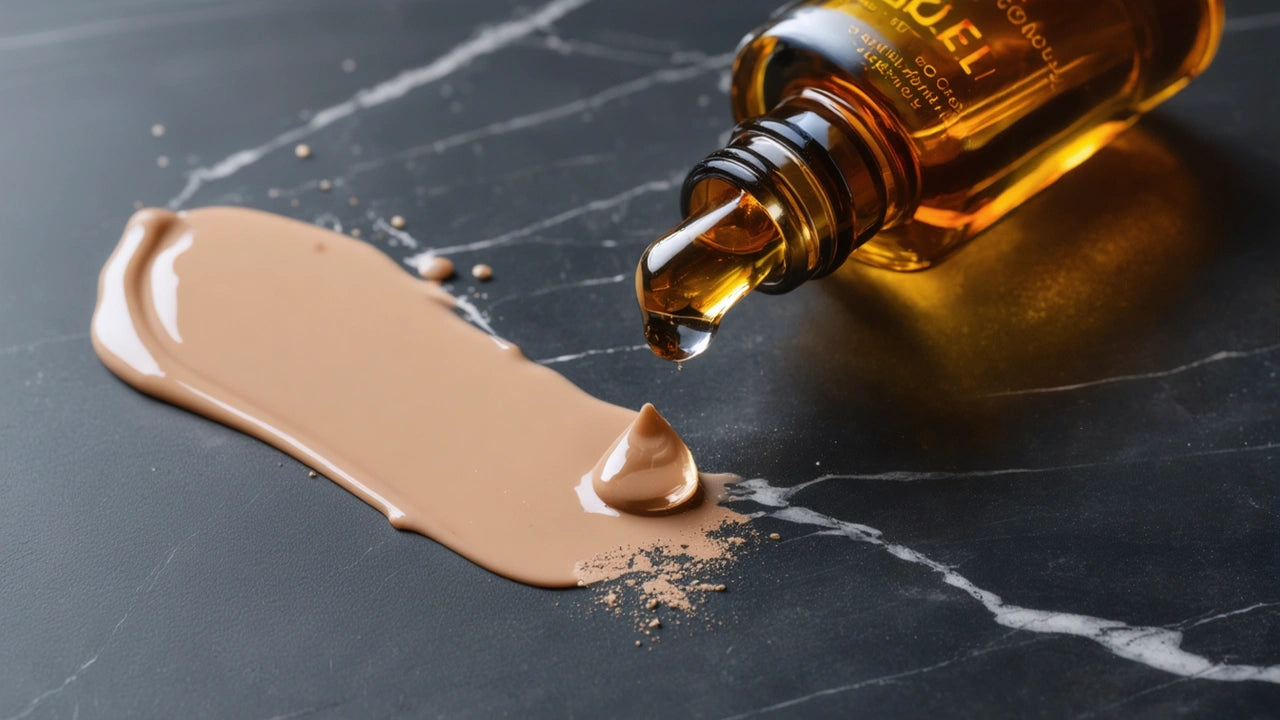
Reach for a dewy, buildable formula. As a lightweight base over recovering skin, the Ace of Face Dewy Foundation gives a fresh, luminous finish without the cakey weight — and it's cruelty-free, like everything in the SUGAR family. It's shade-inclusive across Indian skin tones, so you get a true match rather than a mismatched cast. For a dewy recovery-day finish, our glass skin makeup guide walks you through building that lit-from-within look step by step.
Why Should You Skip Heavy Layering?
Piling on foundation, thick concealer and heavy powder over stressed skin only emphasises texture in humidity. Instead, spot-conceal where you need it, set only your T-zone, and let the rest stay skin-like. Finish with a swipe of comfortable colour — a creamy lip does more for a tired face than another layer of base ever could.

If oily-humid skin is your reality year-round, our guide to primer for oily skin in Indian humidity pairs beautifully with this reset routine to keep everything locked down all day.
Frequently Asked Questions About skin barrier repair routine for Indian climate
What is a skin barrier repair routine for Indian climate?
A skin barrier repair routine for Indian climate is a simplified skincare regimen designed to rebuild your skin's protective outer layer after exposure to humidity, pollution, and monsoon dampness. It typically focuses on gentle cleansing, ceramide-rich moisturisers, hydrating serums, and daily SPF — all lightweight enough for sticky Indian weather. The goal is to restore moisture balance, calm irritation, and strengthen the barrier without heavy, pore-clogging products. Think of it as pressing
How do I repair my skin barrier after the monsoon?
To repair your skin barrier after the monsoon, switch to a gentle, sulphate-free cleanser and stop over-exfoliating — give your skin a two-week break from acids and scrubs. Layer a hydrating serum with hyaluronic acid, then seal it with a ceramide or niacinamide moisturiser morning and night. Always finish your day routine with broad-spectrum SPF, even indoors. Avoid hot water, harsh actives, and too many new products at once. Consistency matters more than a 10-step routine — a simple, repeated
How long does it take to see results from a skin barrier repair routine?
Most people see visible results from a skin barrier repair routine in about two to four weeks, since skin cells naturally turn over roughly every 28 days. In the first week, you may notice less tightness and redness. By weeks two and three, hydration improves and flaking calms down. Full barrier recovery — with reduced sensitivity and a healthier glow — usually takes four to six weeks of consistent care. If your skin is severely compromised or you have a condition like eczema, it can take longer
Can I wear makeup while repairing my skin barrier?
Yes, you can wear makeup while repairing your skin barrier — just keep it lightweight and skin-friendly. Choose breathable, hydrating formulas like tinted moisturisers, skin tints, or serum foundations instead of heavy full-coverage bases. Look for products with skincare benefits, such as hyaluronic acid or niacinamide, and always prep with a nourishing moisturiser and SPF first. Skip harsh setting powders and long-wear matte formulas that can dry out recovering skin. Remove makeup gently at nig
Shop SUGAR Cosmetics
Ready to give your skin the post-monsoon reset it's begging for? Start with the hydration hero — grab the Aquaholic Priming Moisturizer to seal in all that hyaluronic goodness, then top it with a breathable, dewy base for that fresh recovery-day glow. Shop the full lineup at sugarcosmetics.com or download the SUGAR app for exclusive shades, offers and gifting kits. Hydrate hard, glow soft — your skin barrier will thank you. 💧