

Yes — a primer for oily skin genuinely helps, and here's the short version: it blurs pores, controls shine and gives your foundation something to grip, so your base survives Indian humidity instead of sliding off by lunch. A primer is a lightweight base layer you apply after skincare and before foundation to create a smooth, grip-ready canvas. If your makeup has ever melted, patched or gone shiny by 2 PM, you weren't doing anything wrong — you were just skipping the one step built to fix exactly that. Let's decode it together, bestie.
Does Primer Really Help Oily Skin?
If you have oily, humidity-prone skin and you've been wondering whether primer is worth the extra 30 seconds — yes, one hundred percent. It's arguably the single most transformative step you can add to your base routine, and it's beginner-friendly enough that you'll wonder why you waited.
The honest answer
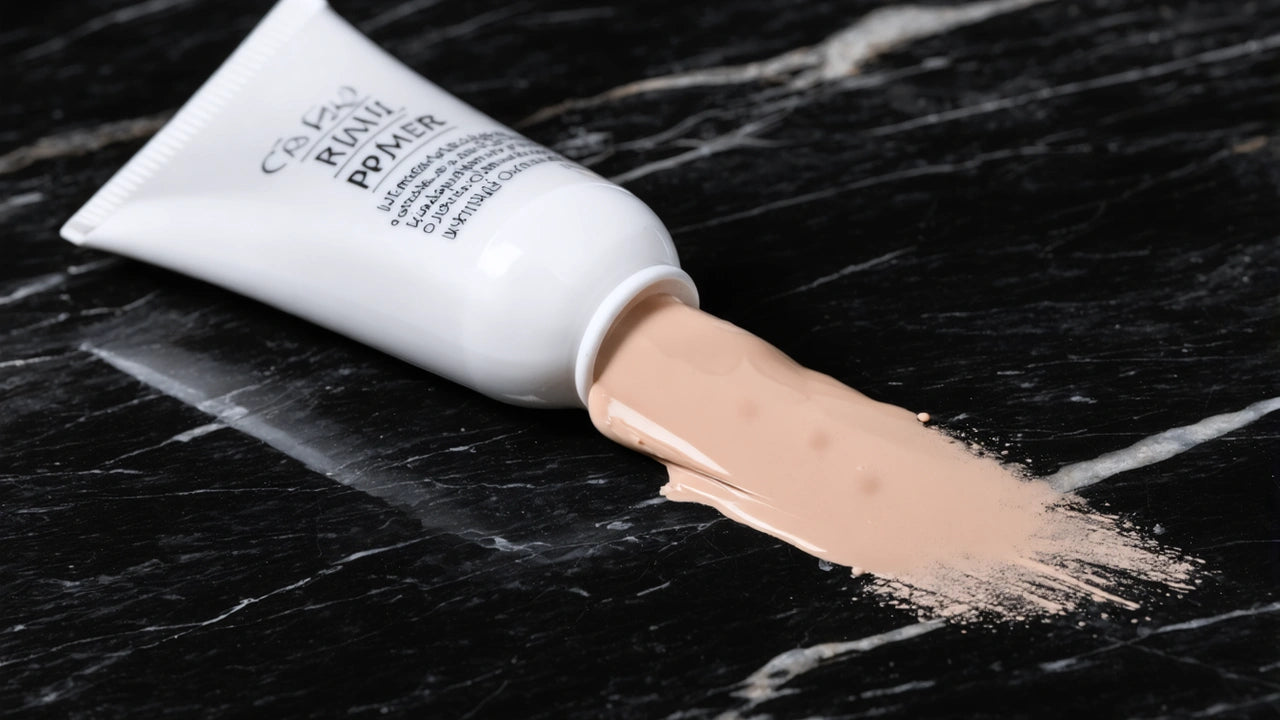
Here's the no-gatekeeping truth: on oily skin, foundation tends to break down because excess sebum lifts it off the surface and humidity speeds up the melt. A mattifying primer creates a buffer between your natural oils and your makeup, so the two stop fighting. That's why our Base Of Glory Pore Minimizing Primer exists — it's a mattifying, pore-blurring base built for exactly this kind of Indian-summer chaos, and it's vegan and cruelty-free like everything in the SUGAR family.
What primer fixes
Think of primer as damage control before damage happens. Here's what it tackles:
- Visible pores: it optically softens enlarged pores so your base looks smoother, not cakey.
- Midday shine: a mattifying formula absorbs and manages surface oil through the day.
- Slippage: it gives foundation a slightly tacky, grippy surface to cling to instead of sliding.
- Patchiness: it evens out dry-and-oily combination zones so foundation lays down uniformly.
How Does Primer Work for Oily Skin, Scientifically?
Primer isn't makeup magic — it's cosmetic science doing quiet, clever work on your skin's surface. Understanding the how makes you use it better, so here's the simple version.
Pore blurring
A pore blurring primer is usually built around silicone-based polymers like dimethicone that fill in the tiny dips and uneven texture around your pores. Light hits a smoother surface more evenly, so pores appear softened rather than deep. It's an optical effect, not a permanent change to your pores — but for a full face day, that blur is exactly what you want. Cosmetic scientists note that this film-forming action is also what creates the even canvas foundation needs to sit flawlessly.
Grip for makeup
Beyond blurring, primer forms a thin, breathable film that acts like double-sided tape between your skin and your foundation. Research published in the International Journal of Cosmetic Science has shown that film-forming polymers meaningfully improve the wear and transfer-resistance of colour cosmetics — which in plain speak means your base budges less. For Indian skin in the Fitzpatrick III–V range, which often runs oily and sebum-active in tropical, humid climates, this grip-plus-oil-control combo is the difference between makeup that lasts and makeup that migrates.
How Do You Apply Primer the Right Way?
Application is where most people accidentally sabotage a great primer. The technique is genuinely easy once you know the two rules that matter: the right amount and the right zones. This is the core of what we call The SUGAR Cosmetics Method — prep smart, place with intention, set to lock.
Amount and timing
- Finish skincare firstCleanse, apply your serum and a light moisturiser, and let everything absorb for 60 seconds. Primer goes on last, over dry skincare, never over wet.
- Use a pea-sized amountYou need far less than you think — a pea-sized dot for the whole face. Too much makes the film pill and slide.
- Warm and press, don't rubWarm the product between fingertips, then press and pat it into skin so it settles into pores instead of sitting on top.
- Wait 30–60 secondsLet the primer set into a smooth, slightly tacky base before foundation. This pause is the secret to grip.

Focus zones
Oily skin isn't oily everywhere. Concentrate primer where you actually shine and where pores are most visible — your T-zone (forehead, nose, chin) and around the nostrils. A whisper is enough on drier cheeks. This targeted approach means you control oil where it happens without over-mattifying areas that don't need it. Dermatologists recommend this zone-specific prepping for combination and oily skin so you never strip comfort for control.
How Do You Build a Humidity-Proof Base on Top?
Primer is step one of a three-part team. To truly beat Indian humidity, your foundation and setting choices have to pull their weight too.
Foundation choice
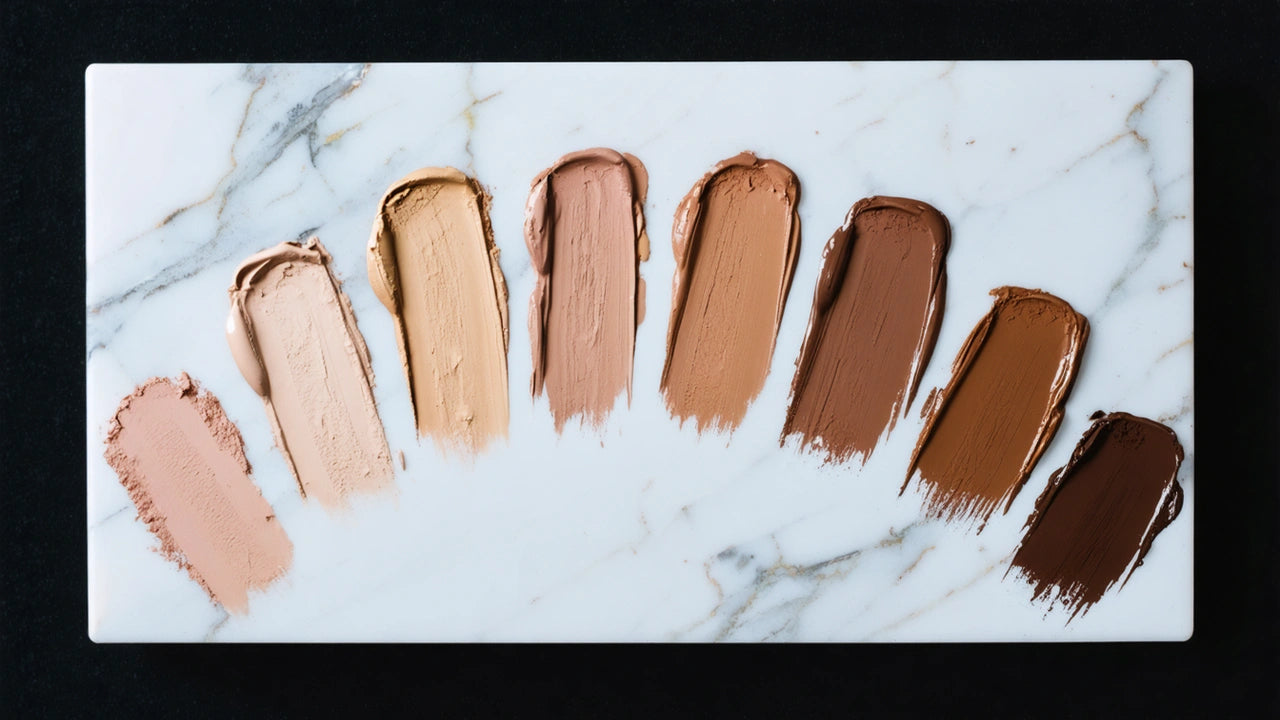
Reach for a long-wear, buildable base that plays nice with oily skin. The Ace Of Face Foundation Stick is a brilliant partner over primer — it's precise, blendable and available across a shade range designed for Indian skin tones, so your neck and face actually match. Apply in thin layers and build only where you need coverage; thick single coats are what crack and separate in heat. If shade-matching feels tricky, our guide to finding your perfect foundation shade for Indian skin tones breaks down undertones so you nail it.

Set with powder
Setting is non-negotiable for oily skin. A light dusting of All Set To Go Translucent Face Powder across your T-zone locks the primer-and-foundation duo in place and mops up shine before it starts. Press it in with a fluffy brush rather than sweeping, so you set without disturbing your base. This is the final anchor that takes your look from "lasts a few hours" to "still going at the dawat."
What Are the Most Common Primer Mistakes?
Two tiny errors undo all your effort. Fix these and you're golden.
| Mistake | What happens | The fix |
|---|---|---|
| Using too much product | Primer pills, foundation slides and separates | Stick to a pea-sized amount and press it in |
| Skipping the setting step | Shine and slippage return within hours | Always finish with translucent powder on the T-zone |
Too much product
More primer does not equal more staying power — it equals pilling. If you see little balls of product roll up as you blend, you've overdone it. Wipe back, restart with less.
Skipping set
Primer controls oil, but powder locks it. Skipping the set step is the number-one reason oily-skin looks fade fast. For a deep dive, our breakdown of shine control with translucent setting powder covers the full baking-and-setting method for Indian weather.
Frequently Asked Questions About primer for oily skin
What is a mattifying primer and how is it different from a regular primer?
A mattifying primer is a base product specifically formulated to absorb excess oil and control shine, unlike a regular primer that mainly smooths texture and helps makeup grip. Mattifying versions contain oil-absorbing ingredients like silica or clay that keep your T-zone shine-free for hours, making them ideal for oily and combination skin in humid weather. A regular primer focuses on blurring pores and creating a smooth canvas but may not tackle midday grease. If shine is your main battle, rea
Can I use primer without applying foundation on top?
Yes, you can absolutely use primer on its own without foundation for a natural, no-makeup look. On oily skin, a mattifying primer worn alone controls shine, blurs pores and gives your face a smooth, put-together finish without any heaviness. It's a great everyday option when you want your skin to look polished but bare. Just cleanse, moisturise, and apply a thin layer of primer to your T-zone and cheeks. For added protection, layer sunscreen underneath so your skin stays shine-free and shielded
How long does primer last on oily skin in humid weather?
A good mattifying primer typically lasts 6 to 8 hours on oily skin, even in Indian humidity, before you may notice shine creeping back. The exact staying power depends on the formula, how much oil your skin produces, and whether you've set your makeup with a powder or setting spray. To stretch that time, blot with tissue instead of rubbing, and carry blotting papers for quick midday touch-ups. Layering primer with a setting spray on top can push your fresh, matte look well past the eight-hour ma
Is primer safe to use on acne-prone oily skin?
Yes, primer is safe for acne-prone oily skin as long as you choose a non-comedogenic, oil-free formula that won't clog pores. Look for lightweight, water-based or silicone-based primers labelled non-comedogenic, and avoid heavy, greasy textures that can trigger breakouts. Mattifying primers can actually benefit acne-prone skin by keeping excess oil in check, which reduces the shine that often worsens congestion. Always patch-test a new product first, and remove it thoroughly at night with a gent
Should I apply primer before or after sunscreen?
Apply primer after sunscreen, not before, so your skin stays protected without compromising your SPF. The correct order is cleanser, moisturiser, sunscreen, then primer, followed by your foundation and the rest of your makeup. Sunscreen needs to sit close to the skin to work properly, while primer's job is to create a smooth, grippy base for makeup on top. Give your sunscreen a couple of minutes to absorb fully before layering primer, so everything sets evenly and your makeup glides on without p
Shop SUGAR Cosmetics
Ready to make midday shine a thing of the past? Start with the Base Of Glory Pore Minimizing Primer — your smooth, matte, grip-ready foundation for every humid Indian day, party and dawat. It's vegan, cruelty-free and built to keep your look locked from morning meetings to midnight celebrations. Prime it, set it, slay it. Head to sugarcosmetics.com or download the SUGAR app to shop the full oily-skin base edit and build your humidity-proof routine today.