

Let's clear the air before we clear your complexion: kojic acid for pigmentation on Indian skin is about evenness and glow, not fairness — full stop. Kojic acid is a naturally derived active (produced during the fermentation of rice and mushrooms) that gently interrupts excess melanin clustering, helping fade dark spots, post-acne marks and tan lines so your skin reads more even, luminous and lit-from-within. It doesn't change your beautiful undertone — it just softens the patchiness the Indian sun, breakouts and humidity leave behind. Think of it as a spotlight for your natural glow, not a bleach for your identity. If your skin barrier feels rough or reactive first, sort that out before layering actives with our post-monsoon skin barrier repair routine — a calm base makes every ingredient work harder.
What Does Kojic Acid Actually Do (Without Any Fairness Talk)?
Here's the honest, science-backed version. When your skin faces sun, inflammation or a stubborn pimple, it produces extra pigment in specific spots — leaving those little brown souvenirs behind. Kojic acid works on the enzyme that kick-starts that pigment overproduction, so those concentrated dark patches gradually blend back into your natural tone. The goal is a smoother, more uniform canvas — never a "lighter you."
The Even-Tone Science, Simply
Research published in the Journal of Cosmetic Dermatology found that topical kojic acid meaningfully reduced the appearance of pigmentation over consistent weeks of use by targeting tyrosinase activity. Cosmetic scientists note that lower, well-formulated concentrations — like 1% — deliver visible evenness while staying gentle enough for regular use, which matters hugely for reactive Indian skin that hates being over-stripped.
Why Indian Skin Loves It
Indian skin typically falls within Fitzpatrick types III to V, which means it's more melanin-rich and far more prone to post-inflammatory hyperpigmentation — those dark marks that linger long after a spot has healed. Combine that with intense UV, humidity and tanning, and pigmentation becomes our number-one skin story. Kojic acid speaks that language fluently: it targets the excess pigment, not the pigment that makes you, you.
What Pigmentation Are We Actually Solving on Indian Skin?
Before you shop, know your enemy. "Pigmentation" is a catch-all, but on Indian skin it usually shows up as three distinct guests who overstayed their welcome.
Post-Acne Marks
That flat brown shadow a pimple leaves behind is post-inflammatory hyperpigmentation — and melanin-rich skin makes them darker and slower to fade. Kojic acid gently speeds up that fade by limiting fresh pigment deposit while the mark works its way out. Set realistic expectations: this is a weeks-not-days job.
Tan Lines and Sun Exposure
India's sun doesn't do subtle. Blouse-sleeve tan lines, that watch-strap stripe, a two-tone neck — sun-triggered melanin is the culprit. Kojic acid helps blur the harsh borders of a tan for a more even finish. It works with your SPF, not instead of it.
Uneven Patches and Dullness
Sometimes it's not a "spot" at all — just a generally uneven, tired-looking surface from pollution, hard water and city life. Here, kojic acid nudges everything toward the same tone, and the glow follows naturally.
How Do You Use Kojic Acid the Right Way?
Using kojic acid well is less about intensity and more about consistency and protection. Here's the no-drama routine.
When to Apply
- Post-cleanse, on dry skin: Apply your kojic step onto clean, dry skin before heavier creams so it absorbs properly.
- AM or PM — pick your lane: A gentle 1% formula works morning or night; if using AM, SPF is non-negotiable on top.
- Layer light to heavy: Thinnest textures first, richest last — that's how actives sink in without pilling under makeup.
Patch Test and Consistency
Dermatologists recommend patch-testing any new active on your inner forearm for a couple of days before it meets your face — smart insurance for sensitive skin. Then commit. Kojic acid rewards consistency, not enthusiasm-in-bursts. Daily use over 6–8 weeks beats a frantic double-dose one weekend and nothing after.
Pair It With SPF — Always
This is the rule that makes or breaks your progress: unprotected sun undoes everything kojic acid is quietly working on. Anchor your day with a broad-spectrum sunscreen like our Citrus Got Real SPF30 Sunscreen to lock in the even-tone gains you're building.
Can Kojic Acid Be a Skincare-Powered Makeup Base?
This is where it gets genuinely clever — and very SUGAR. The SUGAR Cosmetics Method is simple: makeup shouldn't just sit on your skin, it should work for it. A skincare-powered makeup base means your prep step does double duty — treating pigmentation while creating the perfect glowy canvas for foundation.

The 1% Kojic Moisturizer Step
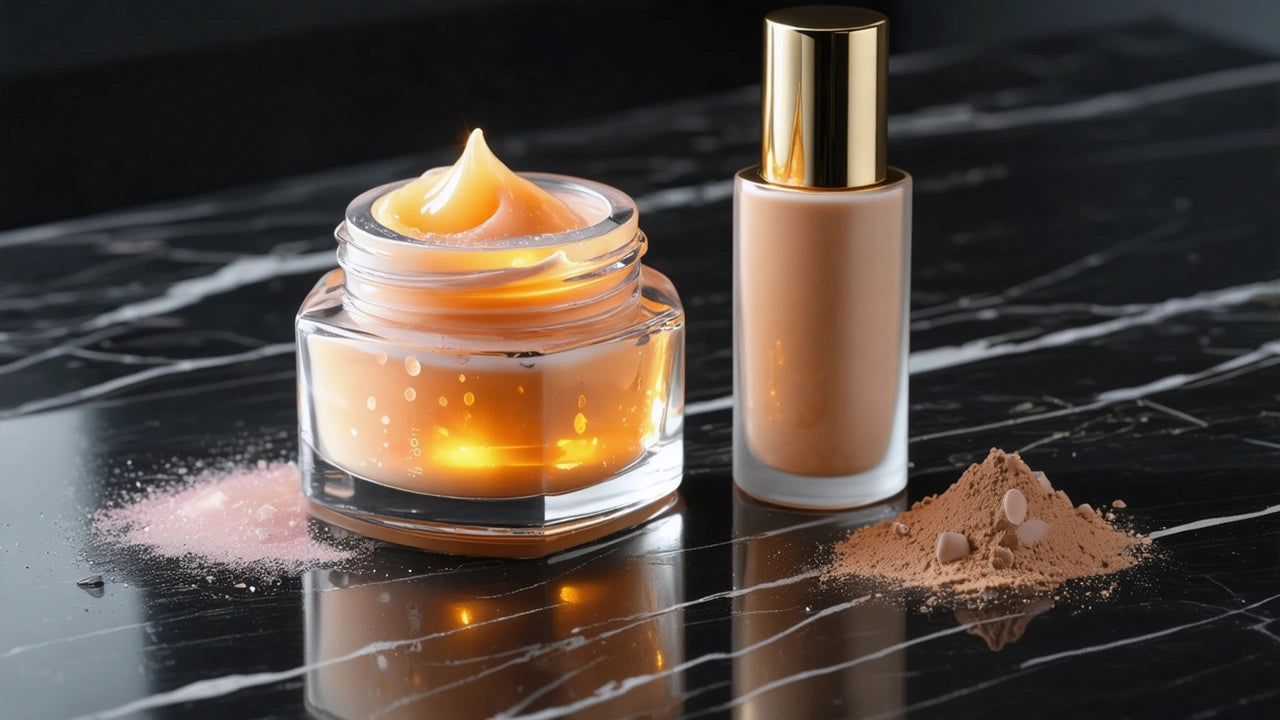
The Bling Leader Illuminating Moisturizer with 1% Kojic Acid is your hero here — it hydrates, delivers that gentle even-tone active, and lays down a lit-from-within glow all in one step. Massage it in after cleansing and let it settle for a minute or two. Your skin drinks it, your marks get to work fading, and your face is now primed to glow.
Layering Under Foundation
Once your kojic base has absorbed, foundation glides on smoother and looks more skin-like. Prefer an all-in-one glow-and-protect step? The SUGAR POP All In One Glow Cream with Niacinamide and Glutathione SPF 20 stacks brightening niacinamide with light sun protection for busy mornings.

All of it — the moisturizer, the glow cream, the whole SUGAR shelf — is cruelty-free and vegetarian, and built to survive Indian heat and humidity without sliding off by lunch. Even-tone skincare that also happens to be a killer makeup base? That's the whole point.
Frequently Asked Questions About kojic acid for pigmentation Indian skin
Is kojic acid safe for sensitive Indian skin?
Kojic acid is generally safe for sensitive Indian skin when used in concentrations of 1-2% and introduced gradually. Start with alternate-night application to let your skin build tolerance, and always patch-test on your inner arm 24 hours before full use. Because it can cause mild irritation, redness or stinging in reactive skin, pair it with a gentle, fragrance-free moisturiser and never skip sunscreen. If you have very reactive skin, eczema or rosacea, consult a dermatologist before adding it
How long does it take to see results from kojic acid?
Most people see visible results from kojic acid in 8 to 12 weeks of consistent use. Faded post-acne marks and a more even tone typically start showing around the 4-6 week mark, while deeper, older pigmentation like melasma may take a few months. Consistency matters more than concentration, so apply it regularly and pair it with daily SPF, since sun exposure undoes progress fast. If you see no change after 12 weeks, it may be time to layer in other actives or consult a dermatologist.
What is the difference between kojic acid and vitamin C?
Kojic acid and vitamin C both brighten skin, but they work differently and suit different goals. Kojic acid specifically inhibits tyrosinase, the enzyme that produces melanin, making it targeted for stubborn pigmentation, dark spots and post-acne marks. Vitamin C is a broader antioxidant that fades dullness, protects against free-radical damage and boosts collagen for overall glow. In short, reach for kojic acid when treating specific dark patches, and vitamin C for everyday radiance and protect
Can I use kojic acid with niacinamide?
Yes, you can use kojic acid with niacinamide, and the pairing is actually excellent for pigmentation. Niacinamide strengthens the skin barrier, reduces inflammation and slows melanin transfer to skin cells, while kojic acid blocks melanin production at the source. Together they tackle dark spots from two angles and niacinamide helps buffer any irritation kojic acid might cause. Apply niacinamide first, let it absorb, then follow with kojic acid, or use them at different times of day if your skin
Does kojic acid make skin darker before it gets lighter?
No, kojic acid does not make skin darker before it gets lighter when used correctly. However, without daily sunscreen, UV exposure can trigger fresh melanin and make pigmentation appear worse, which people sometimes mistake for the product darkening their skin. Kojic acid can also cause temporary redness or purging as it works, but this is not the same as darkening. To avoid any rebound pigmentation, always apply broad-spectrum SPF 30 or higher every morning and reapply through the day, especial
Shop SUGAR Cosmetics
Ready to fade those marks and turn up your natural glow — no fairness talk, just even, radiant skin? Start with the Bling Leader Illuminating Moisturizer with 1% Kojic Acid as your treat-and-prime base, then layer Ace of Face Dewy Foundation on top for a lit-from-within finish. Keep your SPF close, stay consistent, and let your evenest, glowiest skin do the talking.