

Kojic acid for pigmentation on Indian skin is your gentle, gradual route to a more even, lit-from-within complexion — not a shortcut to "fairness," which we will never chase here. Kojic acid is a naturally derived skincare ingredient that helps soften uneven tone, post-acne marks and tan lines by slowing the enzyme that triggers excess melanin clustering. Think of it as the calm, consistent friend who evens things out over weeks, not the drama that promises overnight miracles. If your cheeks carry old breakout shadows, or your neck-and-face tan line refuses to blend, this is the even-tone edit written just for you — grounded in real cosmetic science, and framed entirely around glow.
What Does Kojic Acid Actually Do for Pigmentation, in Plain English?
Kojic acid for pigmentation on Indian skin works by inhibiting tyrosinase, the key enzyme that produces melanin. By slowing excess melanin formation, it gradually softens post-acne marks, tan lines and patchy uneven tone over several weeks. It does not bleach or lighten your natural skin colour — it simply helps your complexion look clearer, brighter and more even.
The even-tone job
Melanin is your skin's built-in sun-defence pigment, and it's a good thing — it's why Indian skin (largely Fitzpatrick III to V) ages more slowly and burns less easily. But when melanin over-produces in one spot — say, where a pimple healed or where your dupatta left a tan gap — you get patchiness. Kojic acid gently dials down that over-production so the marked areas catch up with the rest of your face. The goal isn't lighter skin. It's your own even tone, minus the interruptions.
Why Indian skin gets marks
Higher melanin activity is a double-edged sword: it protects you, but it also means Indian skin is more prone to post-inflammatory hyperpigmentation (those stubborn brown marks left behind by acne, waxing or bug bites). Research published in the Journal of Clinical and Aesthetic Dermatology notes that hyperpigmentation is one of the most common concerns reported by patients with medium-to-deep skin tones, precisely because their melanocytes respond so enthusiastically to inflammation and UV. Translation: your marks aren't "you being careless" — they're your skin doing its job a little too well.
Why Do Post-Acne Marks and Tan Lines Linger So Long on Indian Skin?
Here's the honest bit your best friend would tell you: post-acne marks and tan lines fade slowly because the pigment sits at different depths, and Indian skin holds onto it longer. A fresh mark is your skin's memory of inflammation. A tan line is repeated, uneven sun exposure baked in over months. Neither vanishes overnight — and any product claiming a three-day miracle is fibbing.
Sun, sweat and marks
Every unprotected step into Indian sun tells your melanocytes to produce more pigment — which is exactly why an active like kojic acid can feel like it's "not working" if you skip sunscreen. You're evening tone with one hand and re-triggering it with the other. Sweat and friction (helmet straps, mask lines, saree pins) add micro-inflammation that deepens marks further. The fix is consistency: protect by day, treat by night, repeat.
Realistic timelines
Cosmetic scientists note that surface-level pigmentation typically takes 8 to 12 weeks of consistent care to visibly soften, while deeper or older marks take longer. Kojic acid is a marathon ingredient, not a sprint. Give it a full skin cycle before you judge it. Take a phone photo in the same light on day one — you'll appreciate the slow, real progress far more than a mirror ever shows.
How Do You Use Kojic Acid Without Overdoing It?
The most common kojic acid mistake is treating it like a punishment scrub — slathering it on twice a day and expecting faster results. Actives reward patience, not aggression. Here's the beginner-friendly, no-jargon way to layer kojic acid into an Indian routine.

Frequency and patch test
- Start slow: Use kojic acid every alternate night for the first two weeks so your barrier acclimatises before you go daily.
- Patch test first: Dab a little behind the ear or on your inner arm for two nights — if there's no stinging or redness, you're good to build up.
- Don't stack too many actives: Avoid pairing strong exfoliating acids and retinoids on the very same night when you begin, to keep irritation low.
Layering with SPF (non-negotiable)
This is the rule that makes or breaks your results: kojic acid without daily sunscreen is like mopping the floor while the tap's still running. UV re-triggers the exact pigment you're softening. A daily SPF like Citrus Got Real SPF30 Sunscreen is the daytime half of the deal — lightweight enough for humid Indian mornings and easy to reapply. Dermatologists universally recommend broad-spectrum SPF as the single most important step when using any tone-evening active. No SPF, no glow. Simple.
AM vs PM
Kojic acid plays best at night, when your skin repairs and there's no sun to undo its work. Reserve mornings for hydration, antioxidants and SPF. If you'd rather keep things streamlined, choosing a kojic-acid moisturizer means your treatment and hydration happen in one gentle step — which brings us to the fun part.
Can Kojic Acid Double as a Glow Makeup Base?
Yes — and this is where The SUGAR Cosmetics Method of skincare-powered makeup shines. Instead of a plain moisturizer that just sits there, imagine a base that evens tone and preps your face for foundation in the same swipe. That's the whole point of building actives into a moisturizer: your glow starts in the skincare, so your makeup has less to cover.

A moisturizer that primes
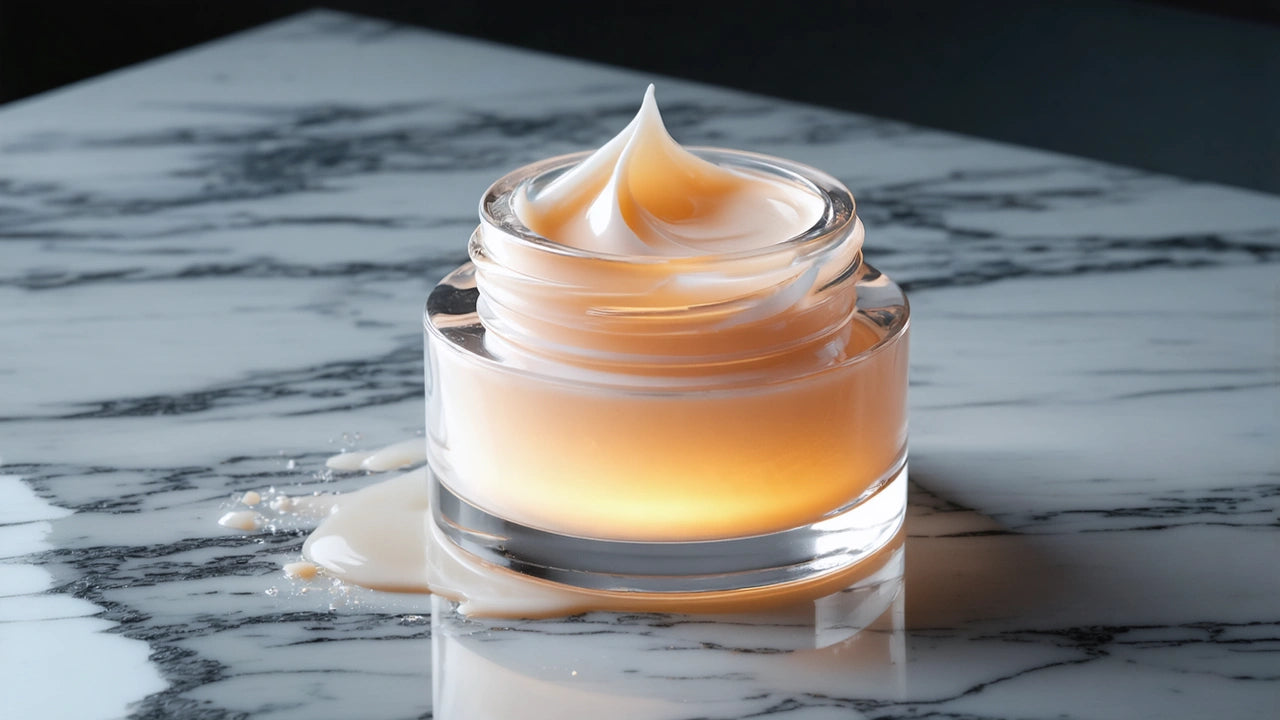
The Bling Leader Illuminating Moisturizer with 1% Kojic Acid is our kojic-acid glow base — a hydrating, illuminating moisturizer that works on even tone while giving you a smooth, primed canvas. The 1% concentration is beginner-kind: strong enough to work over weeks, gentle enough for daily wear on Indian skin.
Skincare-powered makeup
Layered under your foundation, it blurs and preps so your base sits smoother and needs less product. Over time, as marks and tan lines soften underneath, you'll reach for lighter coverage on your no-makeup days. That's the dream: makeup that's optional, not obligatory.
| Use it as… | What it does | Best time |
|---|---|---|
| Standalone moisturizer | Evens tone + hydrates | AM or PM |
| Makeup base / primer | Smooths and preps for foundation | AM before base |
| Glow layer | Adds lit-from-within radiance | Anytime |
Want to double down on radiance? A vitamin C companion like the Glow Boosting Vitamin C Serum pairs beautifully by day for extra brightness. And if the monsoon left your skin sensitised, sort your barrier first with our post-monsoon skin barrier repair routine before piling on actives — happy barrier, better glow.
Frequently Asked Questions About kojic acid for pigmentation Indian skin
What is the difference between kojic acid and vitamin C for pigmentation?
Kojic acid and vitamin C both fade pigmentation but work differently. Kojic acid directly blocks tyrosinase, the enzyme that produces melanin, making it excellent for targeting stubborn dark spots, post-acne marks and tan. Vitamin C is an antioxidant that brightens overall skin tone, defends against UV-triggered pigmentation and boosts collagen. For deeper Indian skin tones prone to hyperpigmentation, kojic acid is more focused on spot correction while vitamin C offers all-round radiance and pro
How long does it take to see results from kojic acid on pigmentation?
Most people see visible fading of pigmentation from kojic acid in 4 to 8 weeks of consistent use. Lighter, newer post-acne marks and tan lines respond faster, often within 3 to 4 weeks, while deeper, older hyperpigmentation on Indian skin can take 8 to 12 weeks. Consistency matters more than concentration — using it a few nights a week without skipping delivers better results than heavy sporadic use. Pairing kojic acid with daily broad-spectrum SPF is non-negotiable, since sun exposure undoes pr
Can I use kojic acid with niacinamide?
Yes, kojic acid and niacinamide are a well-matched pairing for pigmentation on Indian skin. Niacinamide reduces the transfer of melanin to skin cells and strengthens the skin barrier, while kojic acid stops melanin from forming in the first place — so they tackle dark spots from two angles. Niacinamide also calms the mild irritation kojic acid can sometimes cause, making the combination gentler for sensitive skin. Apply niacinamide first, let it absorb, then layer kojic acid. Always follow with
Is kojic acid safe for sensitive Indian skin?
Kojic acid is generally safe for sensitive Indian skin when used at low concentrations of 1 to 2 percent and introduced gradually. Start with two to three nights a week to let your skin adjust, and always patch-test on your inner arm for 24 hours before applying to your face. Sensitive skin may experience slight tingling or redness initially, so pairing it with hydrating and soothing ingredients like niacinamide or hyaluronic acid helps. Avoid combining it with strong actives like retinol on the
What are the benefits of kojic acid beyond fading dark spots?
Beyond fading dark spots, kojic acid brightens overall complexion, evens out patchy tan and delivers a natural glow. Its melanin-blocking action also helps prevent new pigmentation from forming, making it useful for melasma-prone and post-acne skin common in Indian climates. Kojic acid carries antioxidant and mild antibacterial properties, which can support clearer, less blemish-prone skin. It also smooths uneven texture over time, creating a more radiant base for makeup. In short, it works as b
Shop SUGAR Cosmetics
Ready to even out and glow up — the honest, gradual, gorgeous way? Bring home the Bling Leader Illuminating Moisturizer with 1% Kojic Acid, layer on your SPF every single morning, and let your skin do its slow, radiant thing. Fewer marks, more glow, zero fairness talk. Your future even-toned selfie starts tonight — go get it, gorgeous.