
Niacinamide for Indian Skin: Pigmentation, Dark Spots & the Makeup Bridge
If you've ever stared at a stubborn post-acne mark in the mirror and wondered if anything actually works, here's your answer: niacinamide for Indian skin tone and pigmentation is one of the most clinically backed ingredients you can put on melanin-rich skin. Niacinamide is a water-soluble form of vitamin B3 (INCI: Niacinamide) that interrupts melanin transfer, calms inflammation, and strengthens the skin barrier — three things Indian skin desperately needs in a country where UV index hits 11+ and humidity triggers breakouts on loop. Indian skin (Fitzpatrick III–V) produces melanin more reactively than lighter skin tones, which means every pimple, every sunburn, every shaving nick can leave a brown shadow that lingers for months. Niacinamide quietly tells your melanocytes to stand down. And while it works, SUGAR's coverage products bridge the wait so you never have to skip a meeting, a date, or a mirror selfie.

Why Niacinamide Is the One Ingredient Indian Skin Has Been Waiting For
Indian skin has spent decades being sold ingredients designed for fairer complexions. Niacinamide flips that script. It works with melanin instead of bleaching it, making it uniquely suited to brown skin that pigments at the slightest provocation. If you've already read our deep dive on Niacinamide for Indian Skin Tone: Complete Brightening Guide, this piece takes you one step further — into how makeup completes the healing arc.
What niacinamide does differently on melanin-rich skin
Most "brightening" ingredients work by suppressing tyrosinase, the enzyme that produces melanin. Niacinamide takes a smarter route: it blocks the transfer of melanin-filled melanosomes from melanocytes to the upper skin cells where you actually see pigmentation. Translation? It doesn't lighten your natural tone. It only fades the excess pigment sitting on top.
The Indian pigmentation problem: post-acne marks, sun damage, and hormonal patches
Three pigmentation villains haunt Indian skin: post-inflammatory hyperpigmentation (PIH) from acne, melasma triggered by sun and hormones, and tan lines from year-round UV exposure. Dermatologists recommend niacinamide as a first-line topical because it tackles all three through one mechanism — without the irritation that derails sensitive Indian skin.
Niacinamide vs other brightening ingredients for Indian skin
Vitamin C oxidises in humidity. Hydroquinone needs prescription supervision. Retinoids cause peeling that worsens PIH if mishandled. Niacinamide stays stable, plays nice with everything, and rarely irritates — which is why it has become the quiet hero of niacinamide for dark spots India conversations.
The Science of Niacinamide on Indian Skin Tone
This is the part where we put on our lab coats. Research published in the British Journal of Dermatology found that 5% niacinamide applied twice daily for 8 weeks significantly reduced hyperpigmentation and improved skin tone evenness, with effects most pronounced in participants with Fitzpatrick III–V skin types — exactly the range most Indian women fall into. A separate study in the International Journal of Cosmetic Science demonstrated that niacinamide reduced melanosome transfer by up to 68% in vitro.
How niacinamide inhibits melanin transfer
Melanocytes package pigment into tiny capsules called melanosomes, then ship them up to keratinocytes where they show as visible colour. Niacinamide jams that delivery route. Cosmetic scientists note that this mechanism is uniquely valuable for niacinamide hyperpigmentation Indian skin concerns because it doesn't reduce melanin production — it just stops the overflow.
Niacinamide concentration: what percentage works for Indian skin?
The sweet spot sits between 4% and 5%. Below 2%, results stall. Above 10%, you risk flushing and irritation that can cause more PIH on darker skin. Start at 5% if you're new, and use it morning and night.
Combining niacinamide with other actives safely
- Niacinamide + hyaluronic acid: dream team for hydration and barrier repair.
- Niacinamide + SPF: non-negotiable — UV undoes every fade you've worked for.
- Niacinamide + retinol: niacinamide buffers retinol irritation, perfect for sensitive Indian skin.
- Niacinamide + vitamin C: the old "they cancel out" myth is debunked; modern formulations layer them safely.
The Makeup Bridge: Confident Coverage While Your Skin Heals
Niacinamide takes 8–12 weeks to deliver visible results. Your meetings, dates, and front cameras don't wait that long. This is where The SUGAR Cosmetics Method kicks in: treat skincare as the long game, makeup as the daily armour. The two aren't enemies — they're teammates.

Why makeup and skincare aren't mutually exclusive
The "let your skin breathe" myth has caused more confidence damage than any breakout ever did. Skin doesn't breathe through pores — it exchanges oxygen through blood vessels. What actually matters is whether your makeup is non-comedogenic, alcohol-free, and compatible with your active skincare. SUGAR's formulas tick all three.
How transfer-proof foundation covers active pigmentation
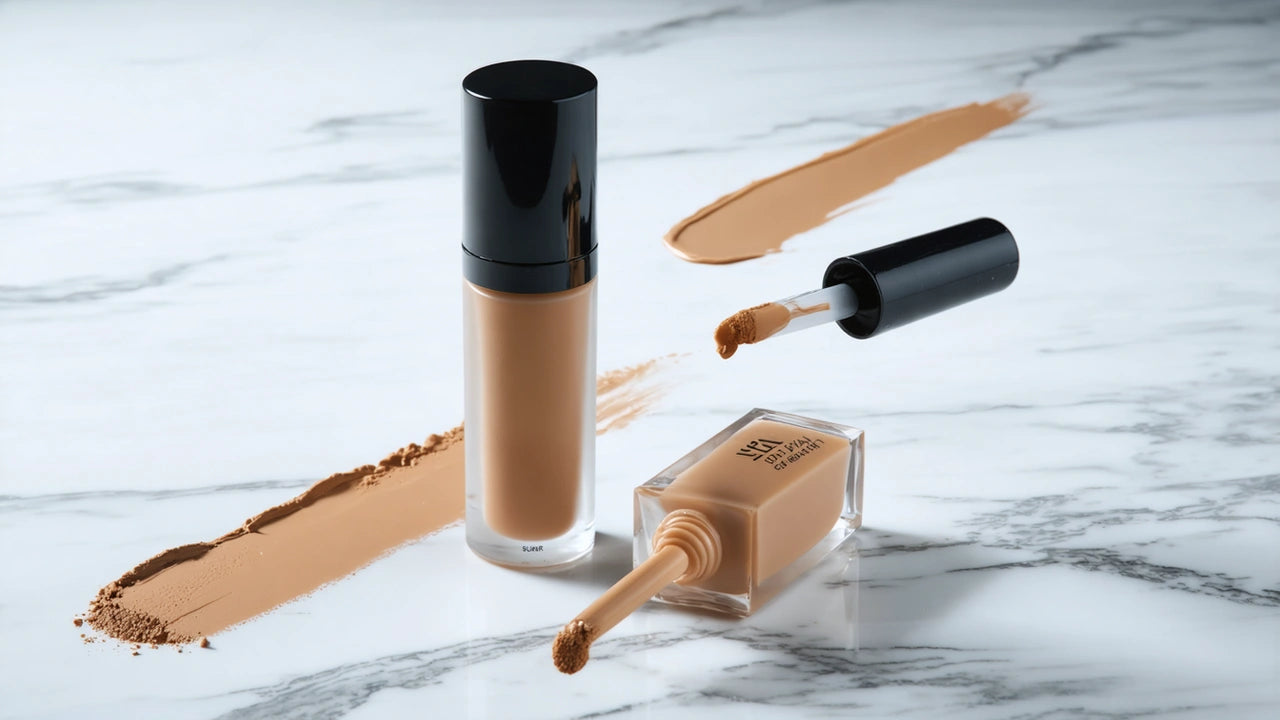
The Ace Of Face Foundation Stick delivers buildable medium-to-full coverage that locks down for 12HR without oxidising orange (a recurring nightmare on warm Indian undertones). It glides over textured, healing skin without clinging to dry patches.
Concealer shades for post-acne marks on brown skin
For pinpoint coverage, the Auto Correct Creaseless Concealer spans 12 shades calibrated for Indian undertones — no chalky cast, no settling into smile lines. Need help picking? Our SUGAR Concealer Shade Guide for Indian Skin walks you through warm, neutral, and olive matches in plain language.

SUGAR Products That Complement Your Niacinamide Routine
Not every makeup product plays well with active skincare. Some pile up, others pill, a few literally undo the serum you just applied. SUGAR's cruelty-free makeup India edit is built to layer.
Priming moisturiser as the skincare-makeup interface
The Aquaholic Priming Moisturizer sits between your niacinamide serum and your foundation, sealing in actives while creating a smooth, hydrated grip surface. It's the unsung hero that prevents pilling — that crumbly mess when serum and foundation refuse to cooperate.
Setting powder that doesn't emphasise texture
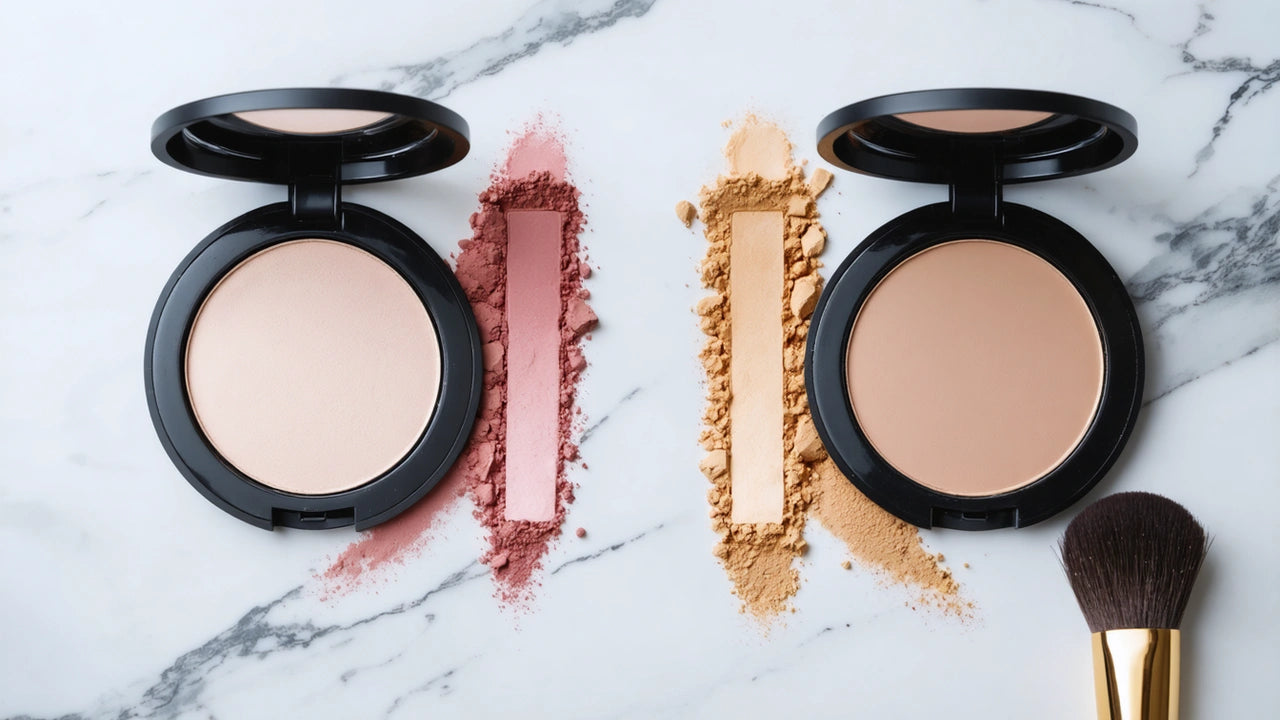
The All Set To Go Translucent Face Powder uses finely milled silica to blur without flashback. Crucially, it's photographable on deeper Indian skin tones — no white ghost in flash photos.
Alcohol-free formulas that don't undo active skincare
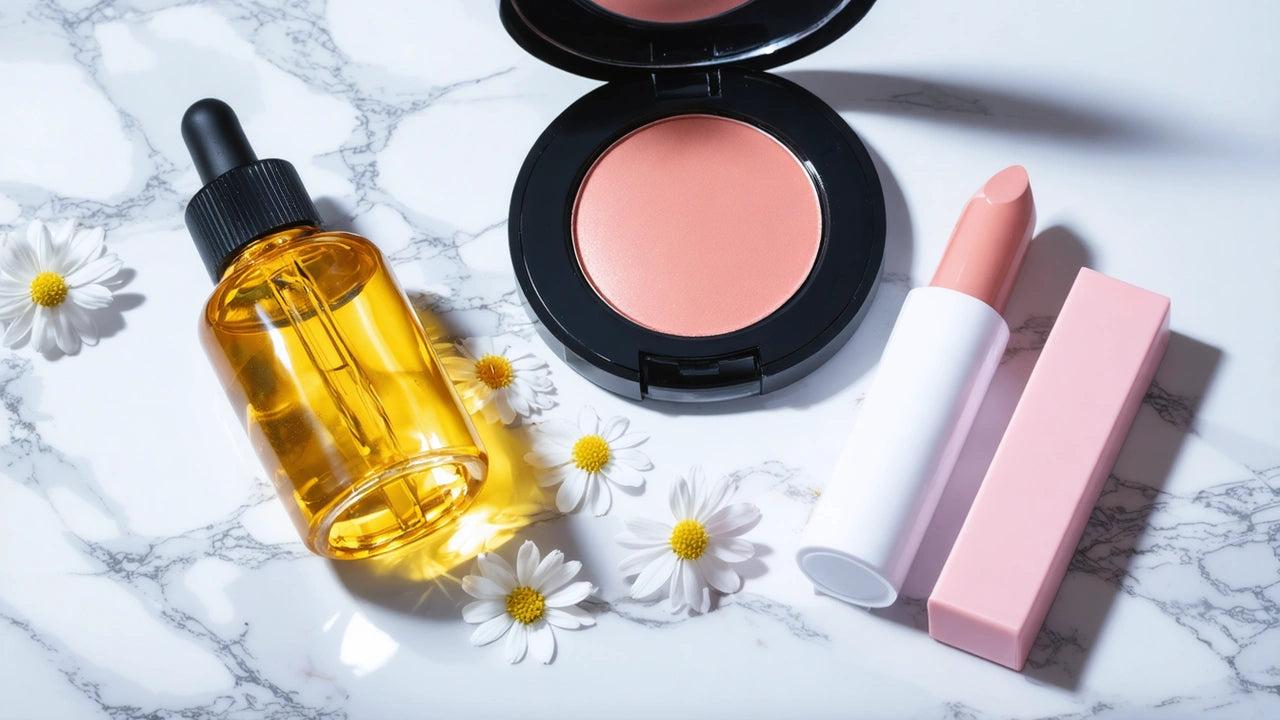
Denatured alcohol strips the skin barrier you've spent weeks rebuilding with niacinamide. Every SUGAR base product avoids it. The Cloud Nine Niacinamide Glow Blush goes one better — it actually contains niacinamide, so your blush is doing skincare work while it gives you that flushed-from-within glow.
Building a Niacinamide + Makeup Routine for Indian Skin
Here's how the full even skin tone India game plan looks on a regular Tuesday morning, layered to actually work in 35°C humidity.
Morning routine: niacinamide → primer → foundation
- Cleanse with a gentle, sulphate-free face wash to keep your barrier intact.
- Niacinamide serum (5%) — pat in, wait 60 seconds for absorption.
- SPF 50 PA++++ — this is the line between fading and forever marks.
- Aquaholic Priming Moisturizer — your skincare-makeup bridge.
- Foundation — Ace Of Face Foundation Stick for full coverage, BB cream for lighter days.
- Concealer on dark spots — tap, don't drag.
- Cloud Nine Niacinamide Glow Blush — the niacinamide encore.
- Translucent powder — only where you crease.
How to layer without pilling
Pilling happens when products with incompatible bases sit on top of each other before drying. Solution: thinnest to thickest, pat instead of rub, and give each layer 30–60 seconds to set. If you're heading into Mumbai monsoon territory, our monsoon-proof skincare and makeup guide has additional humidity hacks.
Niacinamide for Indian Skin FAQs
Yes, niacinamide works on Indian skin dark spots. At 4–5% concentration, it blocks melanin transfer from melanocytes to surface skin cells, fading post-acne marks, sun spots, and melasma within 8–12 weeks. Indian skin (Fitzpatrick III–V) responds especially well because niacinamide reduces hyperpigmentation without lightening natural tone or causing the irritation common with stronger bleaching agents.
Frequently Asked Questions About niacinamide for Indian skin tone and pigmentation
Can I use niacinamide with vitamin C on Indian skin?
Yes, you can absolutely layer niacinamide with vitamin C — that old myth about them cancelling each other out has been busted. For Indian skin battling pigmentation, this duo is a power move: vitamin C brightens and fights free radicals in the AM, while niacinamide calms inflammation and fades dark spots. Use vitamin C first on damp skin, wait a minute, then layer niacinamide. If your skin is sensitive, alternate them — vitamin C in the morning, niacinamide at night. Always seal with SPF 50, bec
What percentage of niacinamide is best for Indian skin?
5% niacinamide is the sweet spot for most Indian skin types — effective enough to tackle pigmentation, oil control and dark spots without triggering irritation. Beginners or sensitive skin should start with 2-4% to build tolerance, while seasoned users can go up to 10% for stubborn melasma and acne marks. Anything above 10% rarely delivers extra benefits and often causes redness, flushing or breakouts. Patch-test on your jawline for 48 hours before going all-in, especially if you're layering it
Is niacinamide safe for sensitive Indian skin?
Niacinamide is one of the gentlest actives out there and is considered safe for sensitive Indian skin, including rosacea-prone and acne-reactive types. Unlike retinol or strong acids, it strengthens the skin barrier instead of stripping it, which actually reduces redness and irritation over time. Start with a 2-5% formula, use it once daily, and avoid stacking it with too many other actives in week one. If you experience flushing, it's usually from a too-high concentration or impurity in the for
What is the difference between niacinamide and alpha arbutin for pigmentation?
Niacinamide and alpha arbutin both fade pigmentation but work differently — niacinamide blocks melanin transfer to skin cells, while alpha arbutin inhibits the tyrosinase enzyme that produces melanin in the first place. Niacinamide is a multitasker: it also controls oil, minimises pores and strengthens the skin barrier. Alpha arbutin is a more targeted spot-fader, ideal for stubborn melasma and post-acne marks. For Indian skin tones prone to layered pigmentation, using both together delivers fas
Can I apply makeup right after using niacinamide serum?
Yes, but give your niacinamide serum 2-3 minutes to fully absorb before reaching for moisturiser, sunscreen and makeup. Niacinamide actually creates a smoother canvas for foundation because it refines pores and balances oil, meaning less pilling and longer wear. Follow the order: serum, moisturiser, SPF, then primer and base. Skip layering niacinamide directly with silicone-heavy primers on the same patch of skin — that's where pilling happens. SUGAR's water-based and hydrating bases play especi
Glow Up While You Heal — Shop SUGAR's Shade-Inclusive Edit
Pigmentation doesn't get to dim your shine. While your niacinamide serum Indian skin routine does its slow, beautiful work underneath, let SUGAR cover the rest. Slip into the Ace Of Face Foundation Stick for 12HR transfer-proof coverage across 20+ shades built for warm-to-deep Indian undertones, top up trouble spots with the Auto Correct Creaseless Concealer, and finish with the Cloud Nine Niacinamide Glow Blush — because your blush should pull double duty too. Heal loud. Show up louder.